Based off an article penned by Ritesh Mishra from Hindustan Times edition Jan 10, 2019
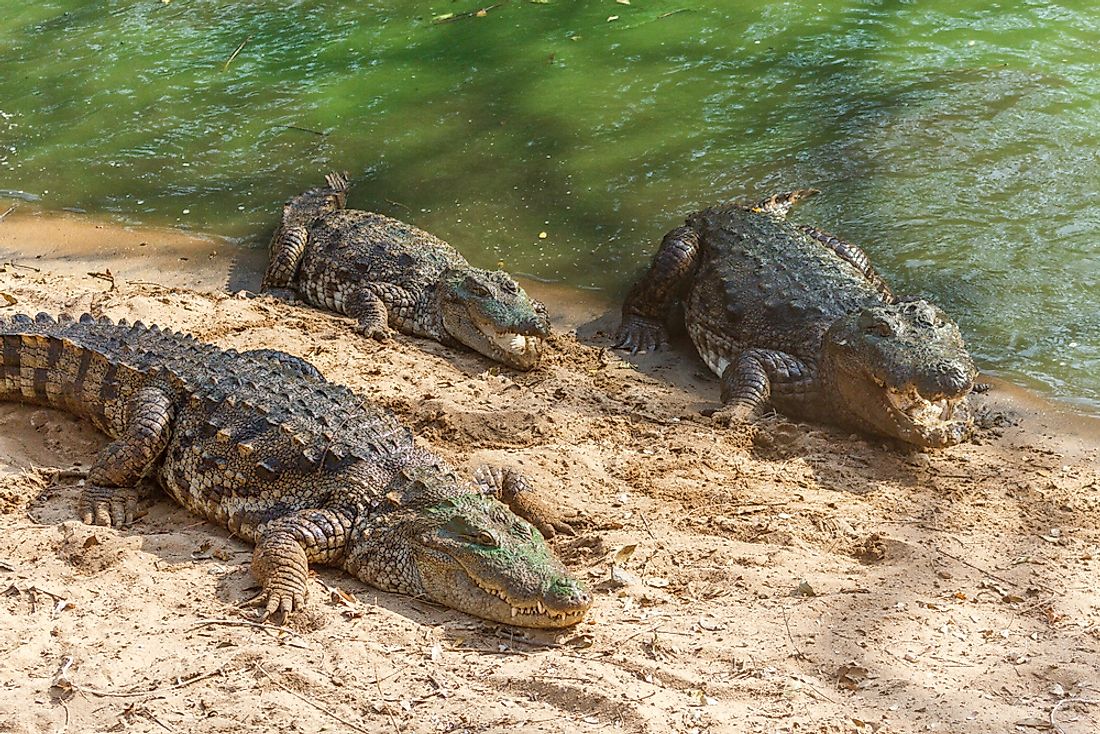
In the heart of the lush forests of Chattisgarh, a unique tale unfolded, defying the conventional narrative of fear and danger associated with the wild. A forest department official, RK Sinha, stood amidst the verdant surroundings, estimating the age of an extraordinary inhabitant of the region - a crocodile that had lived an astonishing 130 years. The remarkable longevity of this creature spoke volumes about the delicate equilibrium that had been established between humans and predators in this sylvan haven.
As the news of the crocodile's passing spread, the local community gathered to bid farewell to their unlikely guardian. RK Sinha, the sub-divisional officer (forest), shared insights into the post-mortem process, emphasising that the creature had succumbed to the inevitability of natural causes. The villagers, intimately connected to the rhythms of the forest, participated in the somber yet dignified ceremony, reinforcing the symbiotic relationship that had evolved over a century.
The crocodile, affectionately known as 'Gangaram,' held a special place in the hearts of the people of Bawa Mohatra, a village that had become intertwined with the presence of this ancient reptile. The memorial erected in the crocodile village stood as a testament to the harmonious coexistence that had defined their shared existence. It was not merely a memorial for a reptilian creature; it was an ode to a humble protector who had, in his own way, become an integral part of the community.
The villagers, once wary of the idea of sharing their habitat with a formidable predator, had gradually grown accustomed to Gangaram's presence. The creature had defied the stereotypical image of a vicious river-dwelling predator, earning the trust and affection of the residents. Children played along the water's edge with a sense of comfort, their mothers tending to daily chores while the old crocodile glided by like a watchful guardian. The once-feared creature had transformed into a symbol of safety, coexisting seamlessly with the community.
The story of Gangaram and the village of Bawa Mohatra was not just an anomaly; it was a testament to the potential for peaceful coexistence between humanity and the wild. In a world often dominated by narratives of conflict between predators and humans, this tale offered a refreshing perspective. It served as a reminder that, with understanding, respect, and perhaps a touch of awe, humans and predators could forge a rare and beautiful alliance in the heart of the untamed wilderness.
The philosophy of human and predator coexistence delves into the
intricate balance that can be achieved between two seemingly opposing
forces - humanity and the wild. This concept encompasses not just
physical cohabitation but also an acknowledgment of the
interconnectedness of ecosystems, the ethical treatment of wildlife, and
the fostering of mutual respect between humans and predators.
The idea of humans and predators coexisting is about finding a balance between people and wild animals. It's not just about living in the same place, but also understanding how everything in nature is connected. Here are the main points of this idea:
Working Together in Nature:
- This idea recognises that all living things in nature depend on each other. Predators, like wild animals that hunt for food, are important for keeping a balance in nature by controlling the number of other animals.
Respecting Nature's Plan:
- It means understanding that every species has a role in nature. Instead of thinking of predators as only dangerous, this idea encourages understanding and accepting their part in the circle of life.
Taking Care of Wildlife in a Fair Way:
- Coexistence means managing wildlife in a way that's fair and respectful. This includes protecting their homes, habitats, and finding ways for people and animals to live together without causing harm or getting rid of animals unnecessarily.
Appreciating Different Cultures:
- Some cultures have a history of living peacefully with predators, seeing them as symbols of strength or wisdom. This respect helps people and predators coexist without fear.
Knowing and Learning:
- Understanding the importance of educating people about predators. When communities know more about these animals, they are more likely to live peacefully with them, realizing the vital role predators play in keeping nature healthy.
Changing Conservation Plans Based on Needs:
- Coexistence means adapting plans to protect nature based on what people and predators need. This could include using sustainable practices, creating special paths for animals, and finding new ways to prevent conflicts.
Balancing Nature and Human Needs:
- It's about finding a middle ground between protecting nature and meeting human needs. This might involve using natural resources wisely, getting communities involved in protecting nature, and finding new ways for people to make a living.
Creating Fair Laws and Rules:
- Governments and communities can work together to make fair laws and rules that protect both animals and people. These rules should be based on science, ethics, and include the opinions of the community.
Encouraging Responsible Tourism:
- In places where there are predators, tourists can help by being respectful. This includes not disturbing animals, learning about wildlife, and making sure tourism helps local communities and conservation efforts.
Thinking About the Future:
- Coexistence is not just a short-term idea; it's about having a long-term plan that thinks about how nature and human communities will change over time. This includes using flexible plans that can adapt to different situations.
In summary, the idea of humans and predators coexisting is about realising that a peaceful relationship between people and wild animals is not only possible but also crucial for the well-being of our planet. It involves changing how we see predators, recognising them as important parts of the complex web of life.


Comments
Post a Comment