Many would see the latest winners of Wimbledon. The thrill of it all on the green court of such acclaim. Few Indians like Mahesh Bhupati and Sania Mirza have been able to make it this far. The fight for taking the mainstream stage of tennis is an uphill one. But the longest fight is to stay in the big leagues.
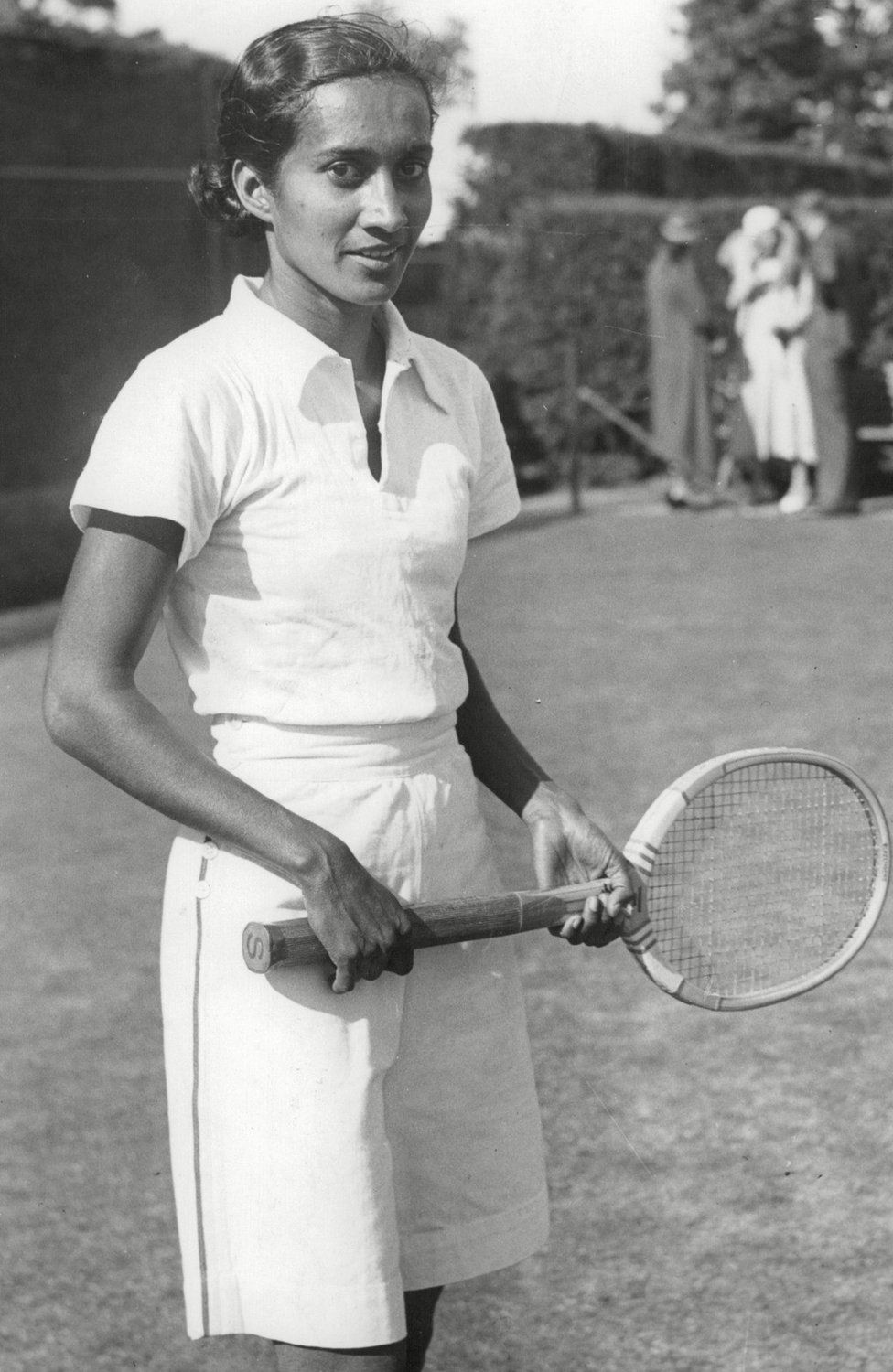
But the story of Leela Row Dayal is by far the most unique of all. Not only an accomplished individual in the field of literature with her several works in Indian Classical Dance, she managed to publish them both in English and Sanskrit.
It al began in 1931, where she won her first All India Championship title.
In his book My Contemporaries(1966), the art critic Govindraj Venkatachalam recalled meeting Row as a young girl. Calling her to be quite the timid and shy one in the presence of strangers Little did anyone realise that they were witnessing an all India figure and of the world's champion tennis players in the making.
A
writer, dancer, playwright, mountaineer and a national tennis champion,
Leela Row - the first Indian woman to win a tennis match at the
Wimbledon - was as prolific as they come.
Born in December 1911, Leela Row emerged into a world that was on the cusp of change. Her roots traced back to a lineage of brilliance – Raghavendra Row, a renowned physician, and Pandita Kshama Row, a leading Sanskrit scholar.
Leela's early years were a winding path of cultures. Educated at home by her mother, she absorbed the arts during family travels to England and France. At the age of three, she embraced classical Indian dance, a remedy for the physical toll of malaria.
In the 1920s, Leela's mother, Kshama Row, pioneered women's tennis in India, winning titles that set the stage for Leela's own tennis legacy. Leela, following her mother's footsteps, triumphed in the All India Championship in 1931 and etched her name in history with a remarkable Wimbledon victory in 1934.
Beyond the tennis courts, Leela's life unfolded against the backdrop of an elite Indian existence, straddling the realms of her birth country and the broader British Empire. Sidin Vadukut aptly captured this era, describing her life as a testament to the years between the World Wars.
In 1943, Leela married Harishwar Dayal, a diplomat. Her passion for tennis persisted during her time in the U.S., but by the late 1940s, she transitioned to her love for art and writing.
Rooted in her mother's legacy, Leela became an author and advocate for Indian classical dances. Her books, including "Natya Chandrika" and "Nritta Manjari," showcased her deep understanding and passion for the art forms. Notably, "Natya Chandrika" secured its place in history as the first book by an Indian author archived by the U.S. Library of Congress.
Leela's artistic endeavors extended to illustrations, where she posed to depict dance forms. She embarked on a 20-year journey, producing five books and contributing to the preservation of India's dance heritage.
In 1963, she crafted a children's book based on a Sanskrit poem by her mother, showcasing her talent not just in words but also in delicate line drawings. This work found a cherished place in the Asian Children's Literature collection.
Leela and her husband found solace in the mountains, especially during his posting as India's ambassador to Nepal in 1963. The Himalayan journal captured their passion for high altitudes and the joy derived from exploring art and architecture.
Tragedy struck in 1964 with Harishwar Dayal's passing during a trip to the Khumbu region. Despite this loss, Leela continued her treks, finding solace in the beauty of the mountains.
The latter part of Leela's life remains shrouded in mystery. The Times of India's 1975 mention of her paintings in a French bird sanctuary marks the last known public acknowledgment.
Leela Row, despite her extraordinary accomplishments, remains a relatively unknown figure in Indian households. As we reflect on her journey, it's a reminder of the untold stories that shape our cultural heritage.


Comments
Post a Comment