Just Breathe: The Answer to Fading Attention Spans.
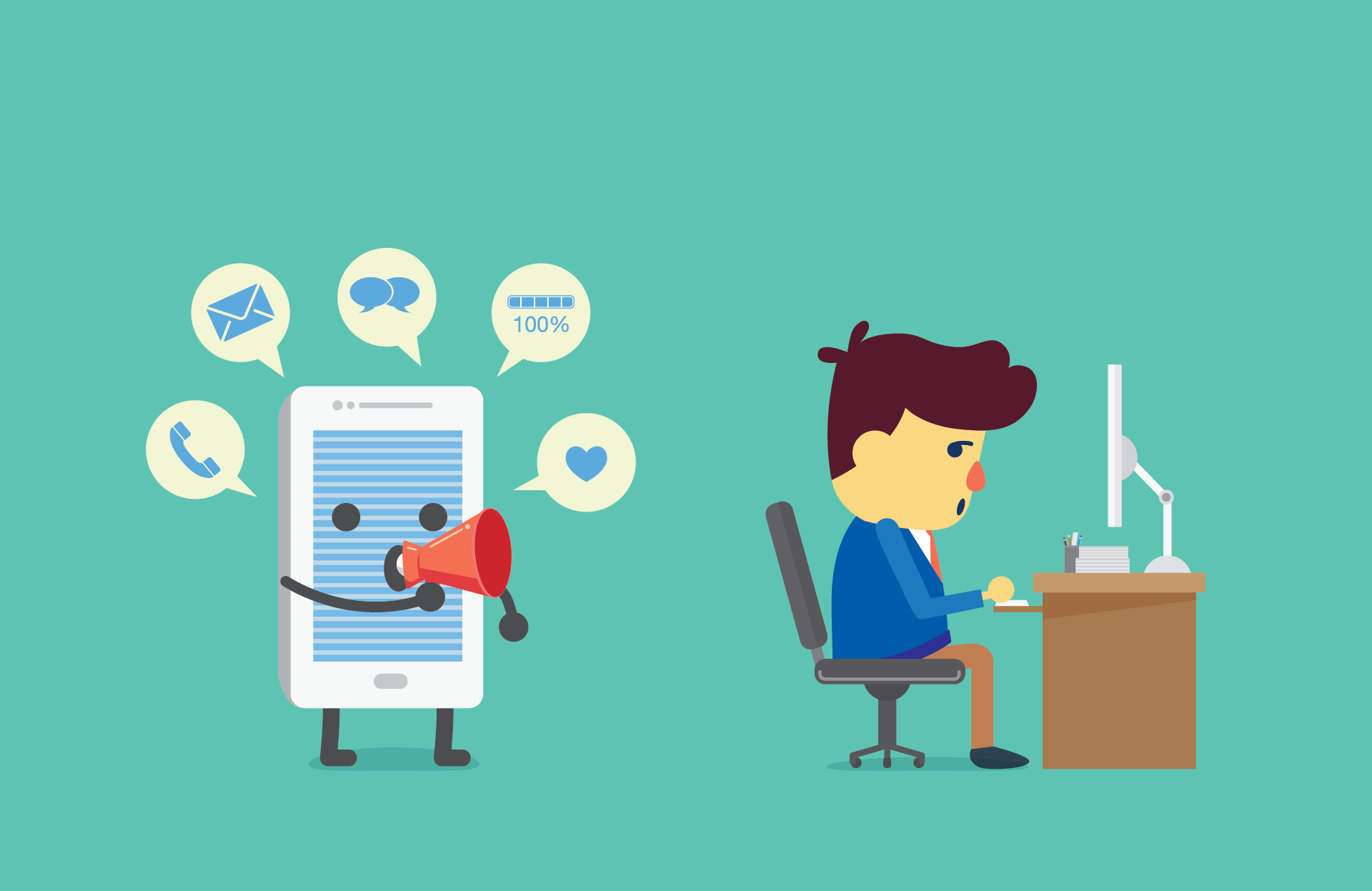
In the contemporary landscape. Our capacity for sustained focus finds itself under siege. The enemy is the very dynamics of the attention economy. This system in which attention serves as a precious and finite resource. Has been further exacerbated by the relentless onslaught of modern diversions. The constant influx of news and the pervasive influence of social media. In essence, these distractions have overwhelmed the attention spans of the people. That have in turn evolved over millennia to meet the demands of our environment.
The connection between attention and economic principles is not merely metaphorical. It is an intrinsic aspect of our cognitive existence. Similar to financial currency attention is a resource that we spend in our daily lives. Whether we direct it toward a person. Engage with a tweet, indulge in daydreams, or immerse ourselves in a television show. Once expended this cannot be reclaimed. Its allocation to one focus area precludes its use elsewhere. A parallel to the irreversible nature of money leaving one's wallet.
The medium through which this cognitive currency flows is the intricate network of the brain's attention system. This system acts as a filter. Sieving through the myriad stimuli bombarding our senses and eliminating the unnecessary. The distracting thoughts and mental clutter that could impede our focus. Without this system, our conscious minds would be akin to an overloaded computer. Unable to function coherently amidst the deluge of information.
However, this attention system, while sophisticated, is not impervious to external influences. It exhibits a susceptibility to diversion. For example when we are confronted with a exciting or self-relevant stimuli. Paradoxically, this vulnerability is not a flaw. Rather a deliberate feature ingrained in its evolutionary design. Serving our ancestors well. As they went about navigating an uncertain world. Where constant vigilance and adaptability were crucial.
Amidst the relentless onslaught of the attention economy. There emerges a beacon of hope rooted in an ancient technique. An antidote to the pervasive distractions that threaten to derail us. Especially our ability to focus. This ancient method offers a means to reclaim and reallocate our attention. Providing a valuable counterbalance to the challenges posed by the contemporary attention economy. As we grapple with the implications of this delicate balance. The pursuit of mindful attention allocation becomes not just a personal endeavour. But a crucial strategy for navigating the complexities of our modern cognitive landscape.
Simply follow these steps:Begin by settling into your body.
Notice yourself sitting and breathing.
If you feel comfortable, close your eyes.
Ask: What’s most tied to my breath? Is it the coolness of air moving in and out of my nostrils? Or are my shoulders moving up and down?
Direct your focus on this sensation.
The ancient practice of meditation. Not only counteracts the negative impacts of constant distraction. But also offers a myriad of benefits. Extending beyond the realm of attention restoration.
Enhanced Concentration:
Individuals can train their minds to resist the pull of external distractions. The practice encourages a heightened sense of awareness and concentration. Fostering the ability to sustain focus on a chosen point of attention. Be it the breath, a mantra, or a specific thought.
Stress Reduction and Emotional Regulation:
Meditation has been widely recognized for its ability to reduce stress. By engaging in mindful meditation. Individuals begin develop a heightened awareness of their thoughts and emotions. Allowing them to respond more skilfully to their stressors. This emotional resilience can positively impact overall mental health.
Improved Cognitive Function:
Studies have demonstrated, that meditation can lead to structural changes in the brain. Particularly in areas associated with learning, memory, and self-awareness. These neuroplastic changes contribute to improved cognitive functions. Enhancing problem-solving skills and decision-making abilities.
Mind-Body Connection:
Meditation emphasizes the integration of mind and body. Forming a deeper connection between the two. This holistic approach contributes to overall well-being. Promoting relaxation, reducing muscle tension, and improving bodily awareness. The mind-body synergy cultivated through meditation can have positive implications for physical health.
Increased Self-Awareness and Mindfulness:
Meditation encourages self-reflection and the cultivation of mindfulness. A heightened awareness of the present moment without judgment. This increased self-awareness allows individuals to better understand their thought patterns and behaviours. Creating personal growth and a more profound sense of introspection.
Better Sleep:
Many individuals struggle with sleep disturbances. Due to the constant bombardment of information and stimuli. Meditation has been shown to promote relaxation and alleviate conditions such as insomnia. Establishing a meditation routine. Can help in contributing to improved sleep quality and a more restful night.
Strengthened Resilience:
Regular meditation practice has been linked to increased psychological resilience. By developing a capacity to stay present in the face of challenges. Individuals can navigate stressors more effectively. Bouncing back from adversity with greater ease.
If you notice your attention has wandered, redirect it back to your breath.As we face with these challenges posed by the attention economy. Incorporating meditation into our daily lives emerges as a potent tool.
Not only for reclaiming our focus but also for fostering holistic well-being.
The ancient wisdom embedded in this practice. Continues to offer a transformative path toward navigating the complexities of the world.


Comments
Post a Comment